
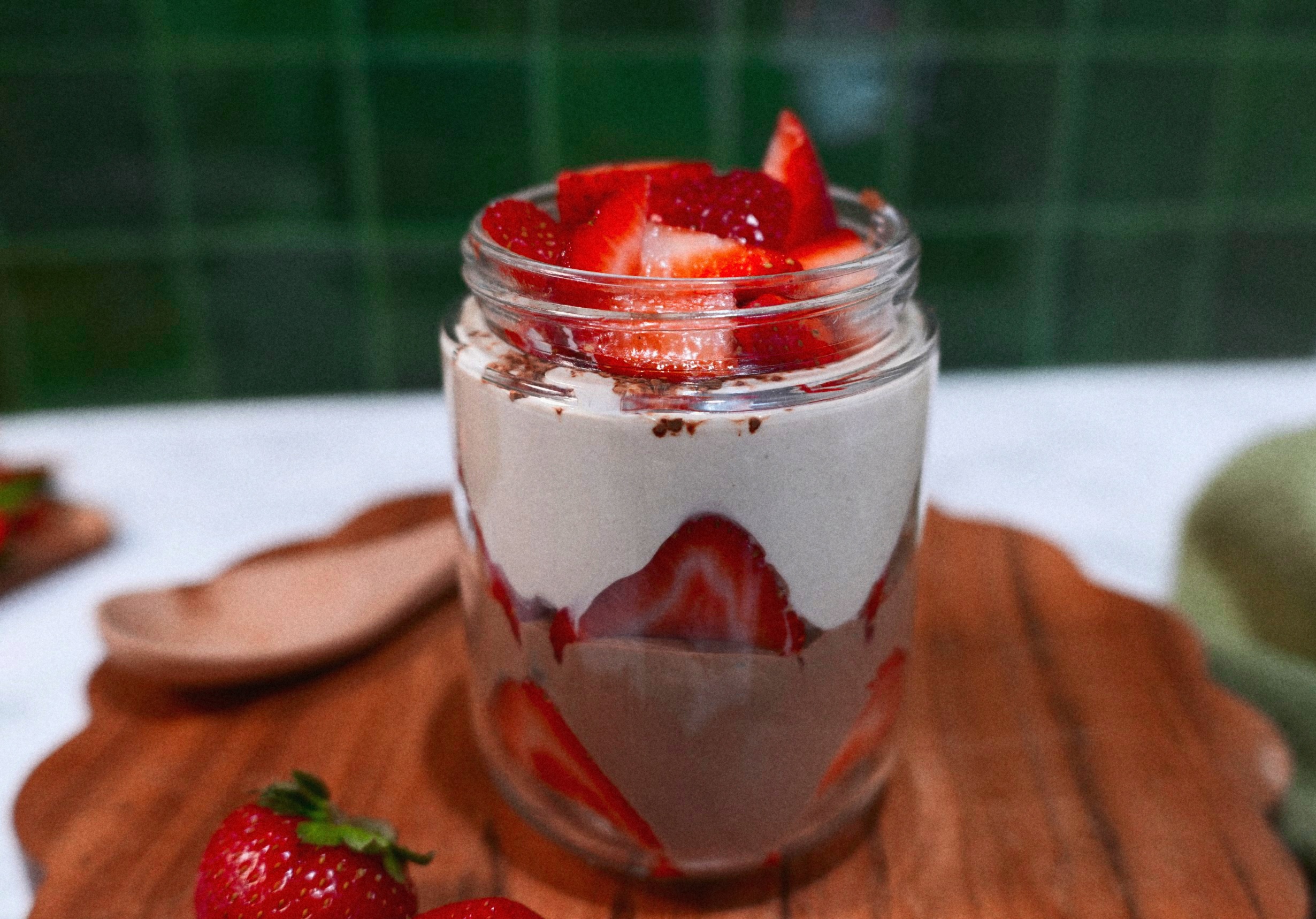
How Much Protein Do You Really Need Per Day?
How much protein do you really need? Learn how to find your daily number, why a calorie deficit calls for more, and how to hit your goal without living on chicken breast.
"Aim for roughly 0.7–1.2 grams of protein per pound of body weight each day."
For a 150 lb woman, that's about 105–180 grams. That's a pretty big range, and it's on purpose.
The right number for you depends mostly on one thing: what phase you're currently in.
How much protein you need daily depends on whether you're eating in a calorie deficit, at maintenance, or in a surplus to build muscle. Here's how to find your spot in the range, and how to actually hit it without drowning in chicken breast.
Why does protein matter?
If your goal is to build some muscle, Protein gives your body what it needs to repair and build that muscle you want. Every time you train, you create small amounts of muscle damage, and protein is the raw material your body uses to rebuild that tissue a little stronger.
It does more than build muscle, too:
It keeps you full. Protein is the most filling of the three macros, which makes a calorie deficit much easier to stick with.
It protects the muscle you already have. When you eat less, your body can break down muscle for energy. Enough protein helps prevent that.
If you're lifting 2–4 days a week, protein is what makes that training pay off, instead of just spinning your wheels.
What 0.7–1.2 g per pound looks like
Multiply your body weight in pounds by 0.7 for the low end and 1.2 for the high end. Here's what that comes out to at a few common weights:
Body weight | Low end (0.7 g/lb) | Middle (0.95 g/lb) | High end (1.2 g/lb) |
|---|---|---|---|
120 lb | 84 g | 114 g | 144 g |
135 lb | 95 g | 128 g | 162 g |
150 lb | 105 g | 143 g | 180 g |
165 lb | 116 g | 157 g | 198 g |
180 lb | 126 g | 171 g | 216 g |
200 lb | 140 g | 190 g | 240 g |
Have a lot of weight to lose? Use your goal weight instead of your current weight. Your protein needs are tied to your muscle, not your total weight, so this keeps your target realistic.
Now, where in that range should you land? That's where your goal comes in.
How much protein do you need in a calorie deficit?
If you're eating in a calorie deficit for fat loss, aim for he higher end at about 0.9–1.2 g per pound.
When you eat less than you burn, your body is looking for energy wherever it can find it, and muscle is on the list. More protein, plus consistent strength training, tells your body to hold onto that muscle so the weight you lose comes mostly from fat.
Higher protein also helps with the hardest part of dieting: hunger. A protein-heavy meal keeps you full longer, which makes it a lot easier to stay in your deficit without white-knuckling it.
Go toward 1-1.2 g per pound if you're already fairly lean, your deficit is on the aggressive side, or you find yourself hungry all the time.
At maintenance or building muscle: the lower end works
If you're eating at maintenance or in a small surplus to build muscle, you can get away with the lower end at about 0.7–0.9 g per pound.
This surprises a lot of people. Shouldn't building muscle take more protein? Not really. When you're eating enough calories, your body isn't pulling from muscle for energy, so it can put more of the protein you eat toward building. The extra food is doing some of the work for you.
Research suggests the muscle-building benefit of protein mostly levels off around 0.7 g per pound. Eating more than that won't hurt, but it won't speed things up much either. Instead, you can spend those calories on carbs to fuel your workouts and fats you enjoy.
Quick guide:
Your goal | Daily protein |
|---|---|
Fat loss (calorie deficit) | 0.9–1.2 g per lb |
Body recomp or maintenance | 0.8–1.0 g per lb |
Muscle building (surplus) | 0.7–0.9 g per lb |
How to actually hit your protein goal
Knowing your number is step one. Hitting it every day is where most people get stuck. These habits make it much easier:
Spread it out. Aim for 25–40 g at each of 3–4 meals instead of trying to cram it all into dinner.
Build each meal around protein first. Pick your protein, then add carbs, veggies and fats around it.
Keep easy options on hand. Greek yogurt, cottage cheese, eggs, deli turkey, tuna packets, jerky and protein shakes all make good backups.
Track it for a couple of weeks. Most people think they're eating more protein than they are. Logging your food shows you where the gaps are.
In the BYB Fitness app, you can log meals with the food search or barcode scanner and see your protein total update as you go. You can also pull protein-packed recipes into your meal plan.
Beyond Protein: Eating for Strength Training
Protein is just one part of eating for strength training. For a full breakdown of how to eat to support your training, check out my long-form video on YouTube: How to Eat for Strength Training
References
Morton RW, et al. A systematic review, meta-analysis and meta-regression of the effect of protein supplementation on resistance training-induced gains in muscle mass and strength in healthy adults. British Journal of Sports Medicine, 2018. Pooled 49 studies and found muscle gains from protein leveled off around 1.6 g/kg (about 0.7 g per pound) per day.
Jäger R, et al. International Society of Sports Nutrition Position Stand: protein and exercise. Journal of the International Society of Sports Nutrition, 2017. Recommends 1.4–2.0 g/kg per day for most people who exercise, more during a calorie deficit, and 20–40 g per meal spread through the day.
Helms ER, et al. A systematic review of dietary protein during caloric restriction in resistance trained lean athletes: a case for higher intakes. International Journal of Sport Nutrition and Exercise Metabolism, 2014. Found that protein needs go up during a calorie deficit, especially for people who are leaner or dieting harder.
Frequently asked questions
Ready for a plan that fits your life?
Choose self-guided training, join group coaching, or work with Coach Kales 1:1.
Start TodayRelated articles
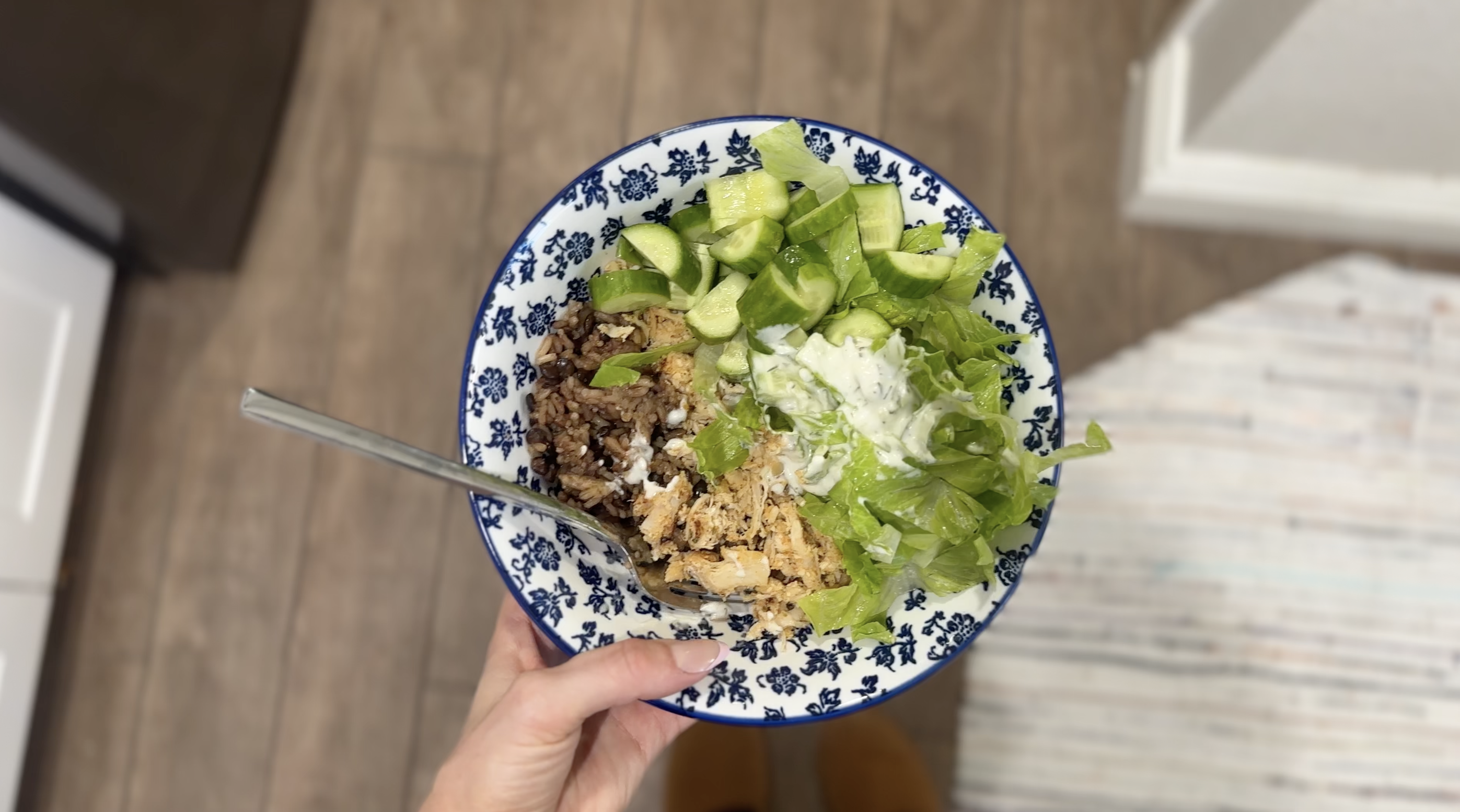
10 Easy Ways to Add More Protein to Your Diet
Struggling to eat enough protein? Here's 10 simple ways to increase your daily protein intake with easy food swaps, high-protein snacks, and meal ideas that help you build muscle, lose body fat, and reach your fitness goals without completely changing your diet.
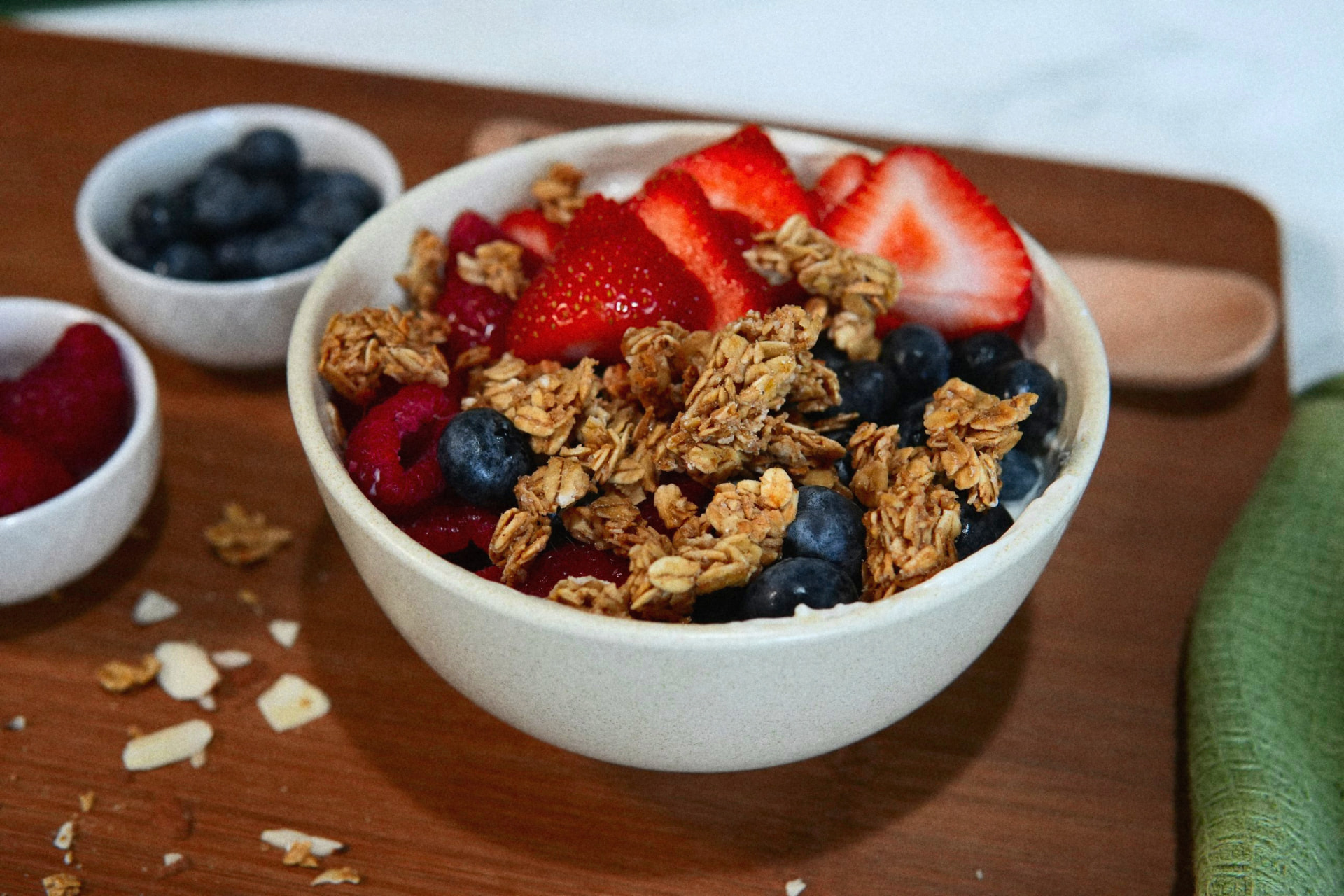
Berry, Chia & Granola Yogurt Bowl
A thick, creamy breakfast bowl with berries, chia and crunchy granola that's ready in minutes and keeps you full all morning.
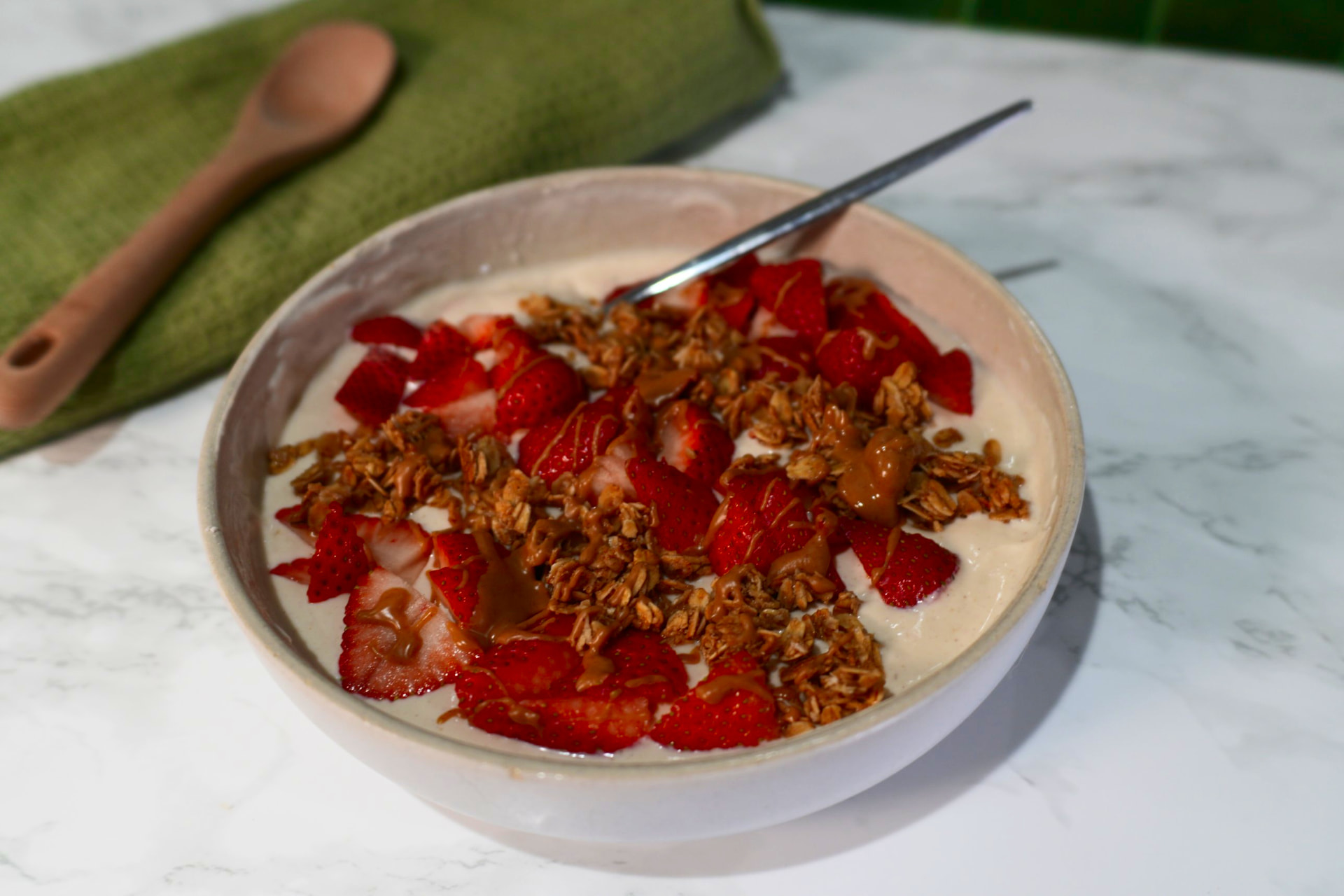
Peanut Butter Yogurt Parfait
A creamy peanut butter parfait that tastes like dessert, made with Greek yogurt, strawberries and crunchy granola in just 5 minutes.
How to Build Muscle Without Getting Bulky: A Guide for Women
Building muscle doesn't have to mean gaining unwanted body fat. Learn how to structure your strength training, nutrition, recovery, and daily activity to build muscle and achieve a leaner, more defined physique.