
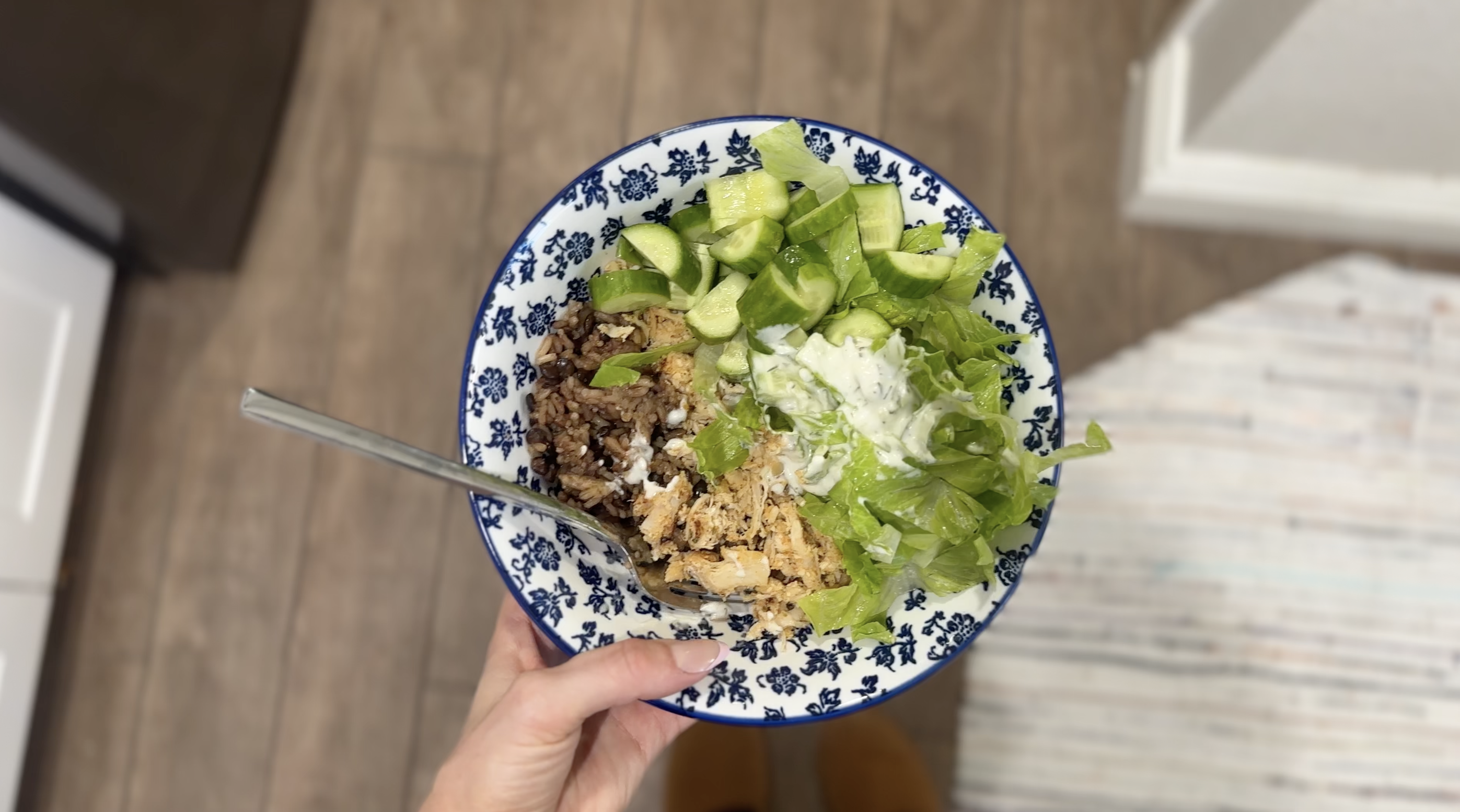
10 Easy Ways to Add More Protein to Your Diet
Struggling to eat enough protein? Here's 10 simple ways to increase your daily protein intake with easy food swaps, high-protein snacks, and meal ideas that help you build muscle, lose body fat, and reach your fitness goals without completely changing your diet.
10 Easy Ways to Eat More Protein Without Completely Changing Your Diet
If you're trying to build muscle, lose body fat, or improve your body composition, you've probably heard how important protein is.
But knowing you need to eat more protein and actually getting enough of it every day are two different things.
Maybe you're struggling to reach your daily protein goal, you're tired of eating chicken and rice, or you feel like you'd have to completely overhaul your diet just to squeeze in another 30 grams.
The good news? Increasing your protein intake doesn't have to mean changing everything you eat.
In fact, some of the easiest ways to eat more protein involve making small adjustments to meals and snacks you already enjoy.
Here are 10 simple, realistic ways to increase your daily protein intake without following a restrictive diet or spending hours meal prepping.
1. Swap Regular Yogurt for Greek Yogurt or Skyr
One of the simplest ways to add more protein to your diet is by switching your regular yogurt for Greek yogurt or skyr.
Depending on the brand and serving size, Greek yogurt or skyr can provide around 15–20 grams of protein per serving, sometimes even more.
And you don't have to eat it plain!
You can make it a TREAT by adding in berries, granola, dark chocolate, or your favorite cereal for a quick breakfast or snack.
You can also use plain Greek yogurt in recipes, smoothies, dressings, and dips to increase the protein content without dramatically changing the flavor.
Easy swap: Instead of your usual yogurt parfait, make it with plain Greek yogurt or skyr.
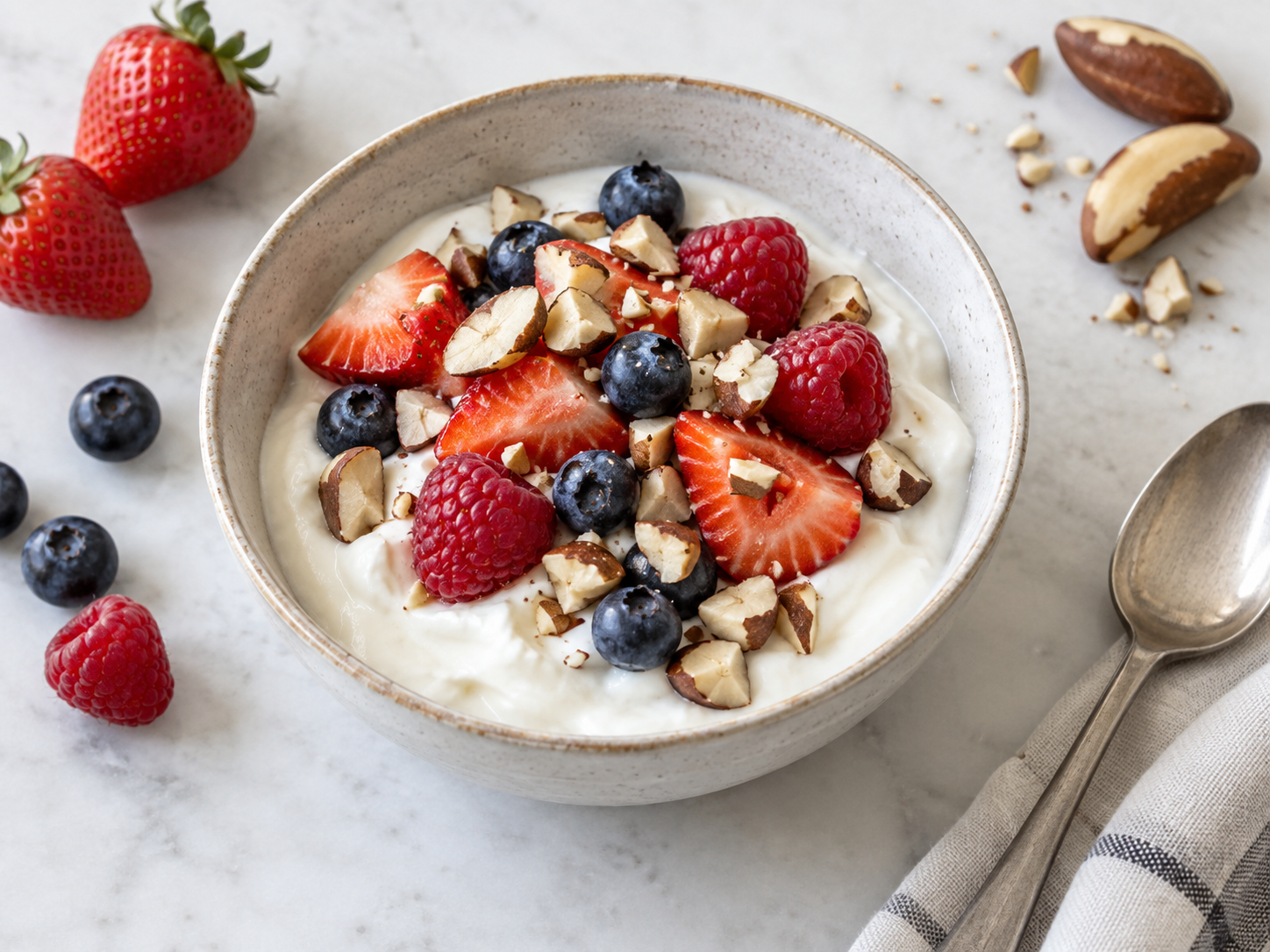
Brazil Nut & Berry Yogurt Power Bowl
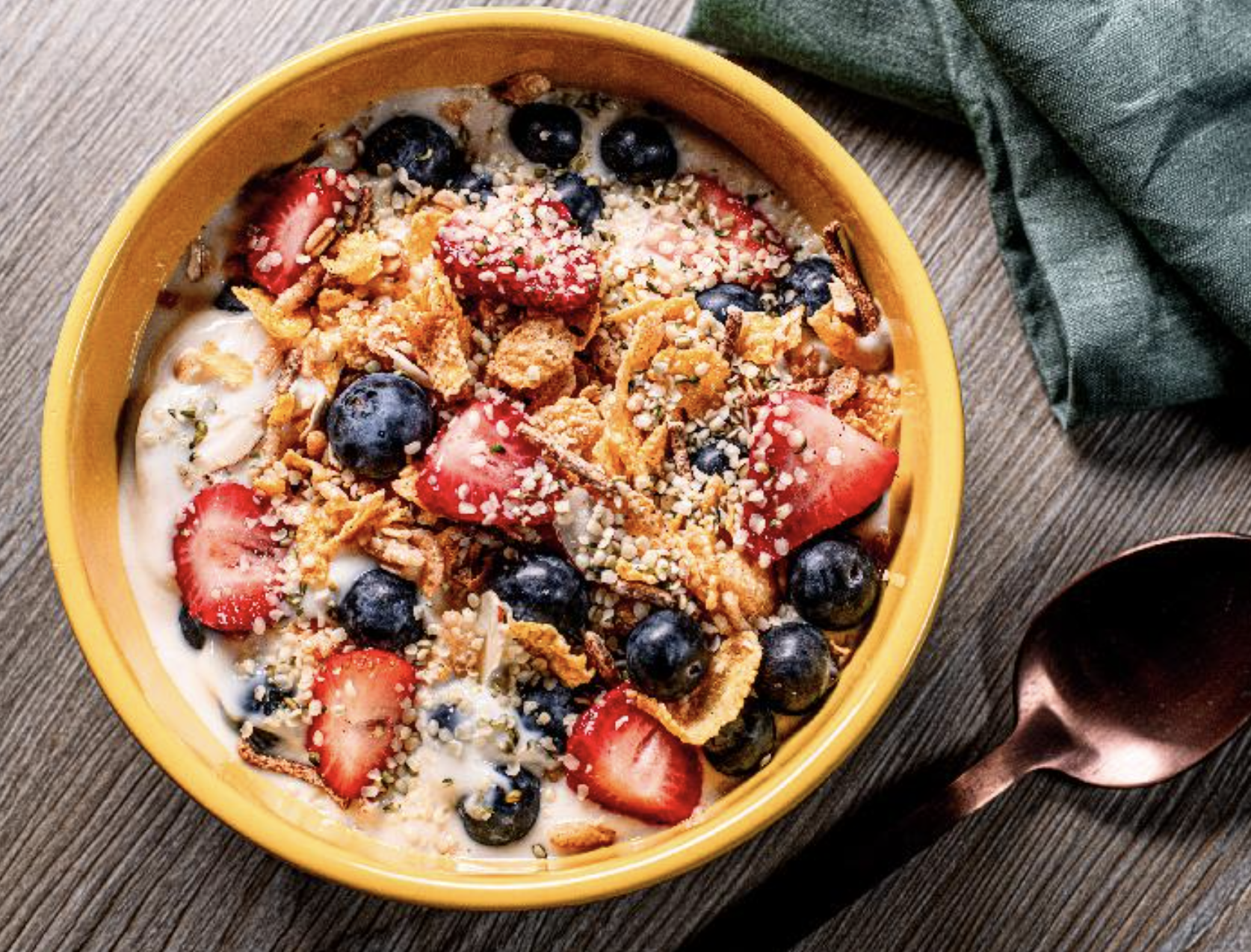
Lemon Berry Crunch Parfait
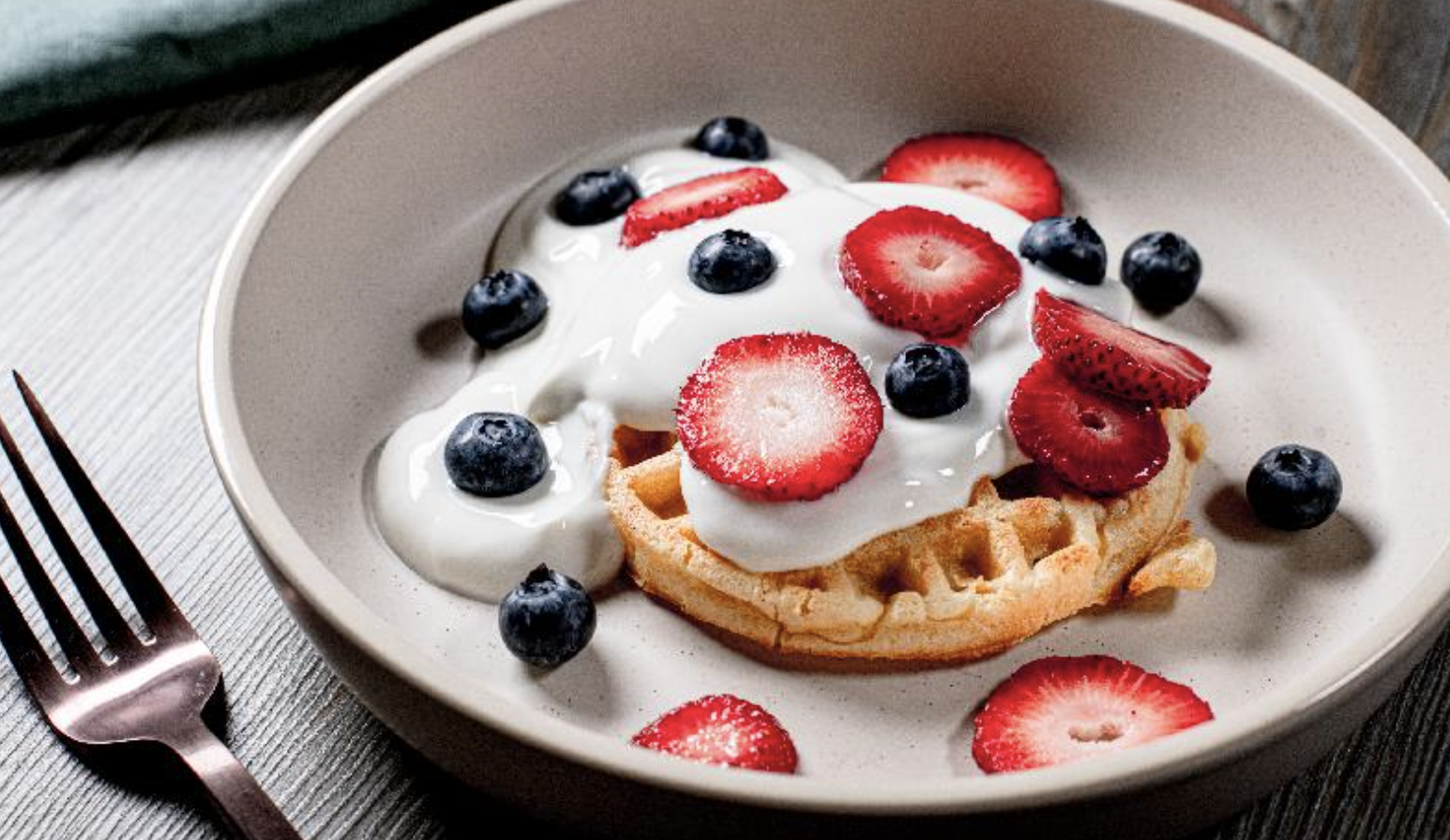
Toaster Waffle with Greek Yogurt and Berries
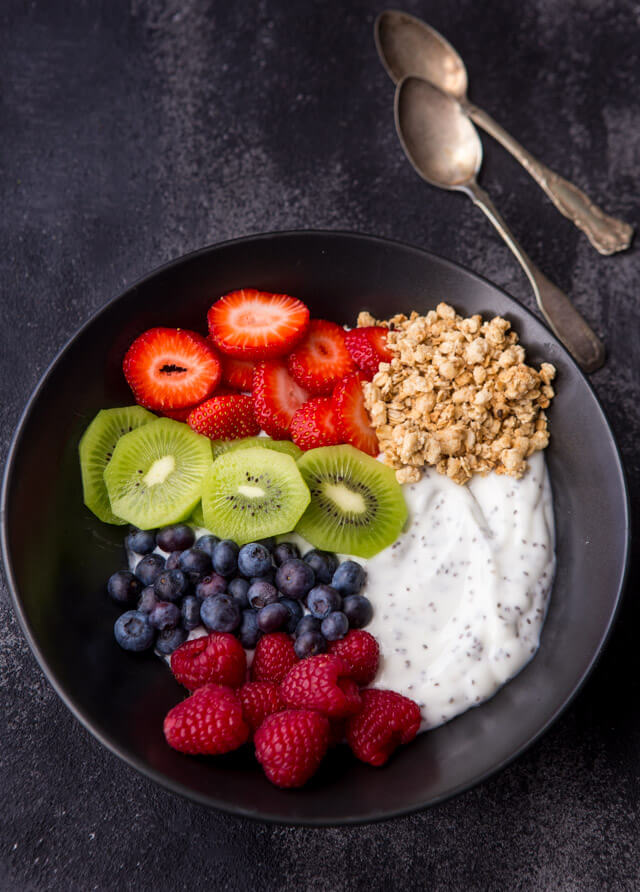
Greek Yogurt Parfait
Get more recipes just like these in the BYB Fitness App!
2. Add a Second Protein Source to Your Meals
Who says you can only have one protein source per meal?
One of my favorite ways to help clients increase their protein intake is by encouraging them to combine protein sources rather than relying on one food to do all the work.
For example:
Add an egg or egg whites alongside your breakfast.
Add a side of scallops or shrimp with your salmon dinner
Add edamame to a stir-fry with chicken or tofu.
Pair your usual lunch with a side of cottage cheese.
These additions might seem small, but an extra 5–15 grams of protein at a few meals can make a meaningful difference by the end of the day.
3. Swap Regular Milk for Ultra-Filtered Milk
If you regularly drink milk in your coffee, pour it over cereal, or blend it into smoothies, this is an incredibly easy swap to increase your protein intake.
Ultra-filtered milk, such as Fairlife, generally contains more protein per serving than regular milk.
For example, a cup of regular cow's milk typically provides around 8 grams of protein, while certain Fairlife ultra-filtered milks contain ~13 grams.
That's about 5 additional grams of protein per cup without needing to add another food to your diet.
The calorie difference depends on the specific milk varieties you're comparing, so check the nutrition labels.
4. Build Your Meals Around Protein First
If you constantly find yourself at the end of the day trying to figure out how to squeeze in another 40 or 50 grams of protein, this one's for you.
Instead of treating protein as an afterthought, start planning your meals by choosing your protein source first.
For example, rather than deciding you're making pasta and then figuring out how to get some protein into it, start with the chicken, ground turkey, shrimp, or tofu you're going to use.
Then build the rest of the meal around it.
This doesn't mean every meal needs to be dominated by protein, but it does help you distribute your intake more consistently throughout the day.
Coaching tip: If your daily protein goal is 120 grams and you typically eat three meals and one snack, you could aim for approximately 30 grams at each meal and another 30 grams from snacks. You can adjust that distribution to fit your appetite and schedule.
5. Make High-Protein Dips for Your Favorite Snacks
You don't have to give up your favorite snacks to eat more protein.
Instead, try pairing them with a protein-rich dip made from Greek yogurt or cottage cheese.
Both ingredients work well as a base for savory dips, and they can be seasoned to match whatever you're craving.
A few ideas:
Greek yogurt ranch dip with carrots, cucumbers, or crackers
Whipped cottage cheese with garlic and herbs
Greek yogurt mixed with taco seasoning for a creamy dip
Cottage cheese blended with buffalo sauce
You're still eating foods you enjoy, but now your snack contributes more toward your daily protein goal.
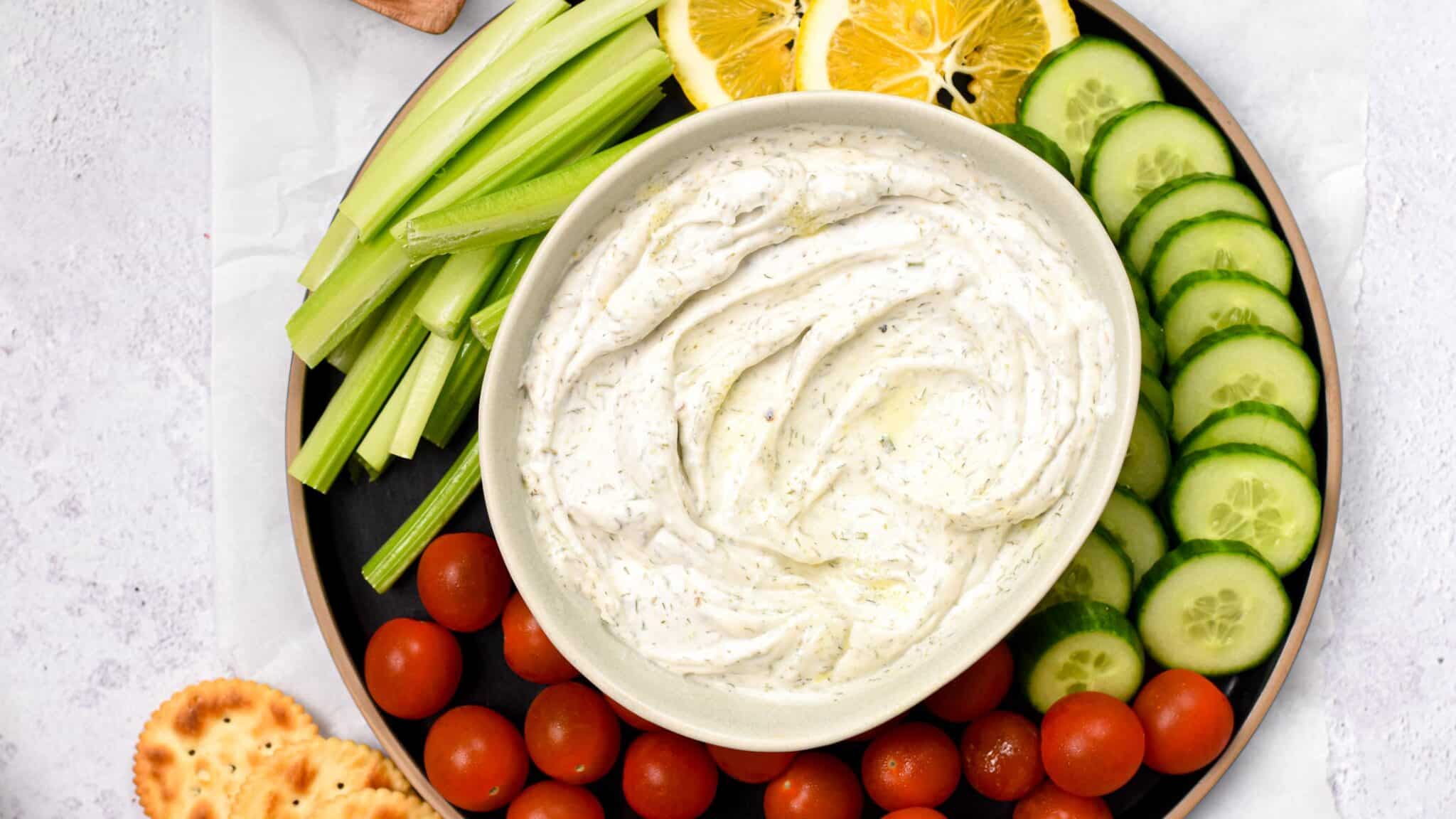
High Protein Greek Yogurt Ranch Dip & Veggies
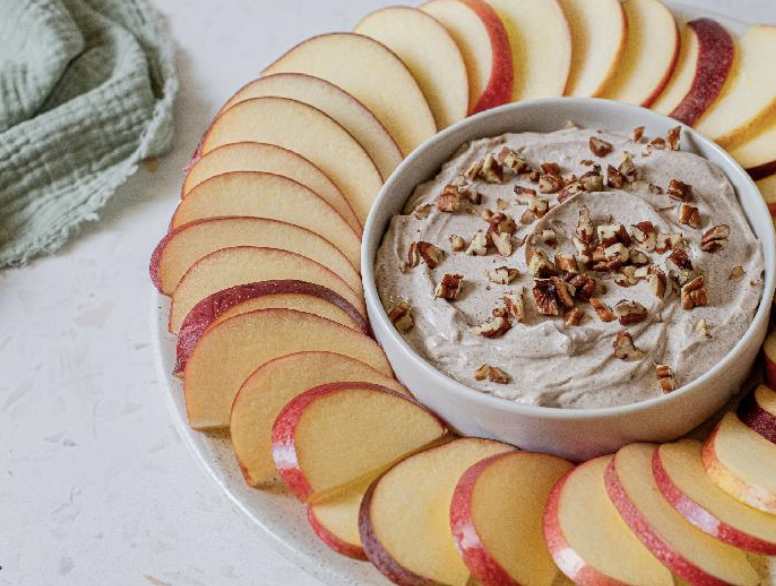
Cinnamon Apple Cream Cheese Dip
Get more recipes just like these in the BYB Fitness App!
6. Swap Regular Pasta for Higher-Protein Pasta
If pasta is one of your favorite foods, you don't need to eliminate it to improve your nutrition.
Try swapping your usual pasta for a higher-protein option.
Some pastas made with chickpeas, lentils, or added wheat protein contain considerably more protein than traditional pasta.
Depending on the brand, you may get an additional 5–10 grams of protein per serving.
Keep in mind that not all alternative pastas are higher in protein, so compare nutrition labels rather than assuming they're better simply because they're made from legumes or marketed as healthier.
And remember, you can still enjoy regular pasta! This is simply another option for increasing your protein intake.
7. Add Cottage Cheese to Your Scrambled Eggs
This might sound like an unusual combination, but cottage cheese can make scrambled eggs surprisingly creamy and fluffy.
It's also an easy way to increase the protein content of your breakfast.
For example, two large eggs provide approximately 12–13 grams of protein. Adding ¼ cup of cottage cheese can contribute another 6–7 grams, depending on the brand.
Simply whisk the cottage cheese into your eggs before cooking them over medium-low heat, stirring gently until they're set.
You can also blend the cottage cheese first if you prefer a smoother texture.
It's a small adjustment that can turn your usual breakfast into a more protein-rich meal.
8. Add Lean Ground Turkey or Chicken to Your Favorite Sauces
You don't necessarily need new recipes to eat more protein.
Sometimes all you need to do is add a protein source to the meals you're already making.
Lean ground turkey or chicken works particularly well in:
Marinara and other pasta sauces
Chili
Soups and stews
Casseroles
Rice bowls
Vegetable-based sauces
For example, if you normally make spaghetti with marinara sauce, adding lean ground turkey will significantly increase the protein content while keeping the meal homey and yummy.
This works great if you're cooking for a family and don't want to prepare completely separate meals just to meet your nutrition goals.
9. Keep Convenient, No-Prep Protein Options Available
One of the biggest challenges with eating enough protein isn't necessarily knowing what to eat.
It's having something convenient available when life gets busy.
If you're running between work, appointments, family responsibilities, and workouts, preparing a full meal isn't always realistic.
That's why I recommend keeping a few convenient protein sources stocked in your refrigerator, pantry, or work bag.
Some of my favorites include:
Tuna or salmon packets
Deli turkey or chicken
Pre-cooked hard-boiled eggs
Turkey or beef jerky
Ready-to-drink protein shakes
Cottage cheese cups
Greek yogurt
Pre-cooked chicken
You don't need to rely on these foods for every meal. The goal is to make hitting your daily protein goal easier, especially on days when you don't have much time.
A little preparation can go a long way in making consistency easier.
10. Don't Automatically Trust the Words "High Protein" on a Package
Just because a product says "HIGH PROTEIN" on the front doesn't necessarily mean it's going to provide as much protein as you expect.
In the United States, the FDA generally allows a food to make a "high protein" claim when a serving provides at least 20% of the Daily Value for protein.
Since the Daily Value for protein is 50 grams, that can mean as little as 10 grams of protein per serving, assuming the product meets the applicable protein-quality requirements.
That might be a decent contribution toward your protein intake, but it doesn't automatically make something a particularly high-protein meal.
For example, a protein bar with 10 grams of protein might not be the most effective choice if you're trying to get 25–30 grams of protein from a snack or meal.
Instead of relying on the marketing on the front of the package, flip it over and look at the actual nutrition label.
Pay attention to the serving size and how many grams of protein you're getting.
You might be surprised by how different the numbers are between products that use similar marketing claims.
You Don't Need to Overcomplicate Eating More Protein
One thing I always remind my clients is that improving your nutrition doesn't mean you need to start eating completely different.
If you love pasta, keep eating pasta. If you enjoy snacking, you don't have to stop snacking. And if you don't have time to cook every meal from scratch, that's okay too!
There are plenty of ways to increase your protein intake while still eating the foods you genuinely enjoy.
So instead of trying to change everything overnight, look at what you're already eating and ask yourself: Where could I easily add a little more protein?
Sometimes that's all it takes to start making progress toward your nutrition goals!
Frequently asked questions
Ready for a plan that fits your life?
Choose self-guided training, join group coaching, or work with Coach Kales 1:1.
Start TodayRelated articles
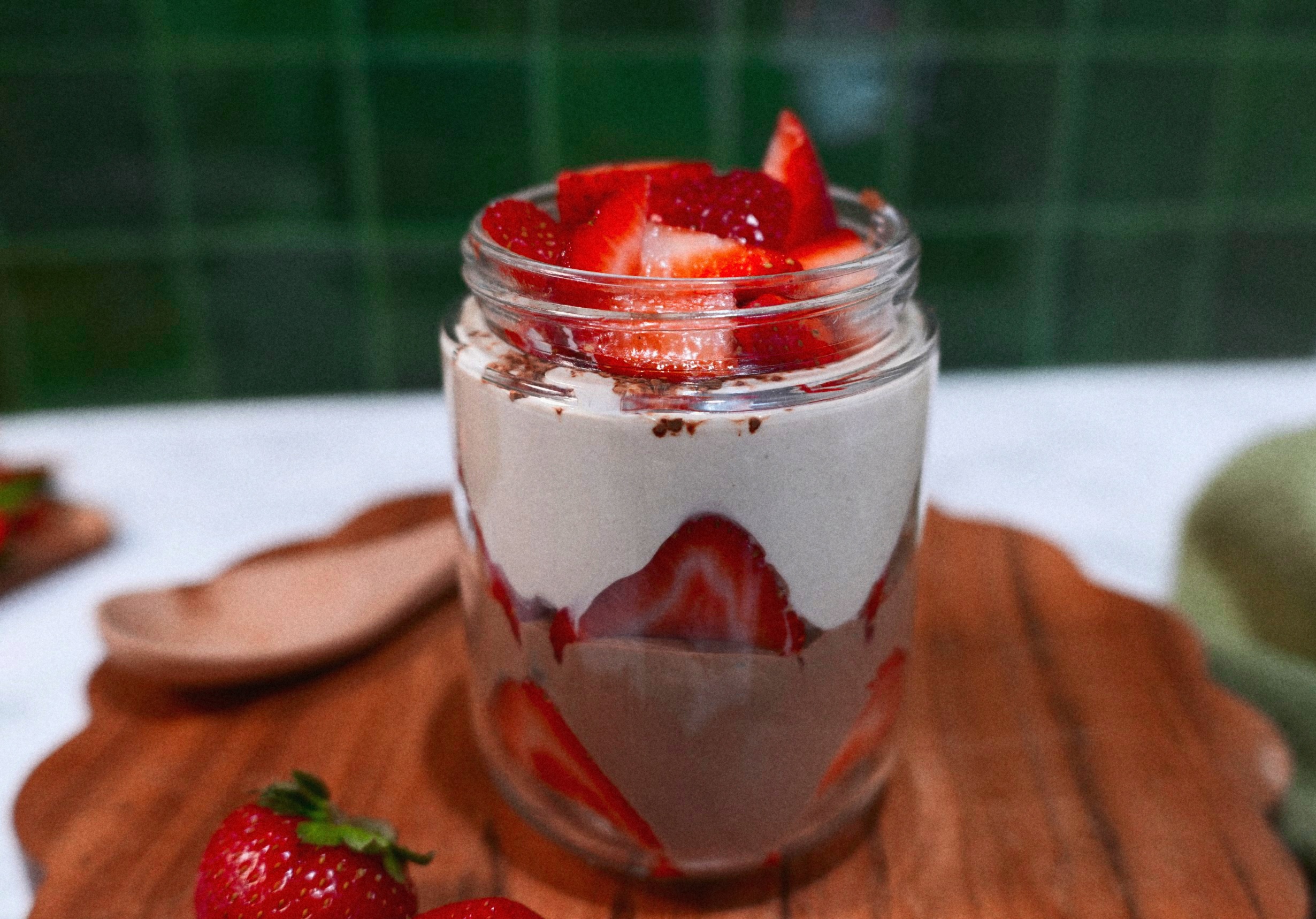
How Much Protein Do You Really Need Per Day?
How much protein do you really need? Learn how to find your daily number, why a calorie deficit calls for more, and how to hit your goal without living on chicken breast.
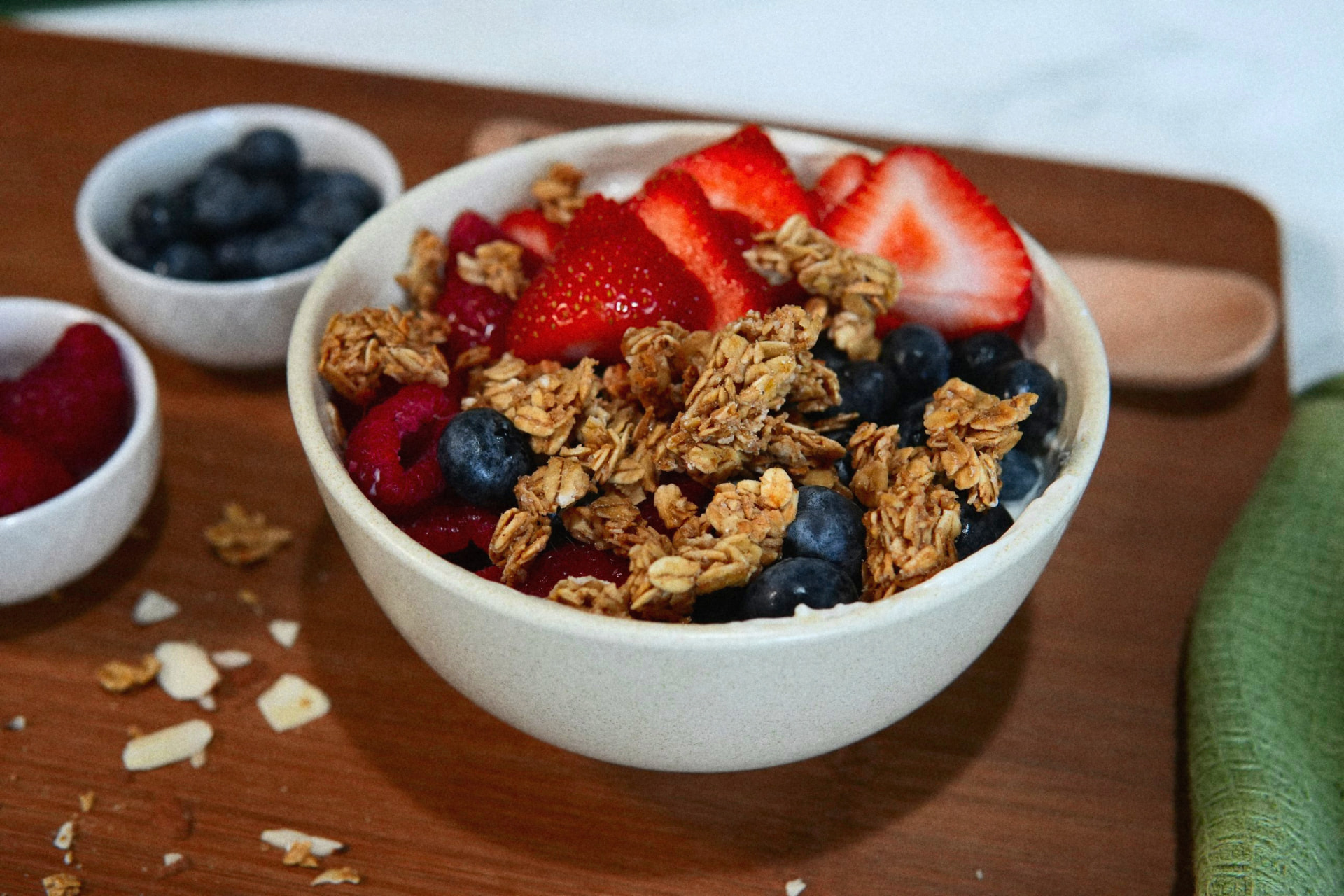
Berry, Chia & Granola Yogurt Bowl
A thick, creamy breakfast bowl with berries, chia and crunchy granola that's ready in minutes and keeps you full all morning.