
Does Lifting Heavy Make Women Bulky? How to Build a Lean, Defined Body
Do low reps really make women bulky? Are high reps better for toning? Learn what actually builds muscle definition, why lifting heavier weights isn't something to fear, and how to train for the physique you want.

In this video
Why Lifting Heavy Doesn't Automatically Make Women Bulky
If you've ever avoided picking up heavier dumbbells because you were worried about looking bulky, you're not alone.
For years, women have been told that light weights and high repetitions are the secret to looking toned, while heavy weights and lower repetitions will make them look bigger.
But that's not how muscle growth actually works.
The truth is that building a leaner, stronger, more defined body isn't about choosing one magical rep range. It's about understanding body composition, training with enough effort to stimulate muscle growth, and making sure your nutrition supports your goals.
In this video, Coach Kales breaks down what actually creates muscle definition, why some women feel bulky, and how to approach strength training so your time in the gym produces the results you're looking for.
What Does It Actually Mean to Look Toned?
When most women say they want to "tone up," they're usually describing a body composition goal.
They want more defined arms, stronger legs, lifted glutes, and a leaner appearance.
But there is no physiological process called toning.
You don't tone a muscle. You build muscle, maintain muscle, or lose muscle.
The appearance most women describe as toned comes from two primary factors:
Building muscle: Developing the underlying muscle creates shape, firmness, and definition.
Managing body fat: Having enough muscle and an appropriate level of body fat allows that definition to become more visible.
This is why simply losing weight doesn't always create the physique you're imagining.
If you're losing muscle alongside body fat, you might see the scale decrease without developing the shape or definition you want.
The goal shouldn't always be to make your body smaller. Sometimes, the best approach is to build more muscle.
High Reps vs. Low Reps: Which Is Better for Muscle Definition?
One of the most common fitness myths is that high repetitions build long, lean muscles while lower repetitions create bulky muscles.
In reality, muscle tissue doesn't change its shape based on whether you're performing eight repetitions or fifteen.
Research shows that muscle growth can occur across a broad range of repetitions when sets are sufficiently challenging.
Lower rep ranges generally allow you to use heavier weights, while higher rep ranges use lighter loads and require more repetitions to approach muscular failure.
Both approaches can stimulate muscle growth.
What matters most is whether you're providing enough stimulus for your muscles to adapt.
That includes:
Training with challenging resistance
Performing enough productive training volume
Progressively increasing demands over time
Recovering adequately between sessions
Fueling your body with sufficient nutrition
If you finish every set knowing you could have completed ten more repetitions, your training might not be challenging enough to maximize muscle growth. Learn how close to failure you should train to build muscle.
You don't necessarily need heavier weights for every exercise. You need resistance that challenges you within your intended rep range.
The takeaway: Rep ranges are tools. They don't determine whether you'll look lean, defined, or bulky.
Why Women Don't Accidentally Build Large Amounts of Muscle
Muscle growth is a SLOW process, especially for most women.
It takes consistent training, progressive overload, adequate nutrition, and recovery over time.
Women typically have substantially lower testosterone concentrations than men, which contributes to differences in average muscle-building potential.
But hormones are only one part of the picture. Training experience, genetics, nutrition, recovery, and programming also influence how quickly someone builds muscle.
Beginners can often build muscle faster than experienced lifters because their bodies are responding to a relatively new training stimulus.
As you become more experienced, progress generally slows.
This is why building muscle is something that happens gradually over months and years, not accidentally after a few heavy lifting sessions.
If your goal is to develop stronger glutes, more defined shoulders, or firmer legs, challenging strength training is one of the most useful tools you have.
Why Do Some Women Feel Bulky After Strength Training?
If lifting weights doesn't automatically make women bulky, why do some women feel bigger after starting a strength training program?
There are several possible explanations.
1. Changes in body fat
Building muscle and losing body fat are two separate processes.
If you're eating in a calorie surplus, you may gain body fat alongside muscle.
Depending on your starting body composition and how your nutrition is managed, this can change how defined your muscles appear.
Some women may benefit from body recomposition, building muscle while reducing body fat. Others may benefit from separate, intentional phases focused on muscle growth or fat loss.
The appropriate strategy depends on your goals, training history, and current body composition.
2. Temporary water retention
Feeling bigger doesn't necessarily mean you've gained muscle or body fat.
Hard workouts can temporarily increase water retention as your body responds to training stress.
Menstrual-cycle changes, sodium intake, sleep, and other factors can also influence fluid fluctuations.
These changes can make your body look or feel different from one day to another without representing a meaningful change in body composition.
3. Individual hormonal differences
Hormonal conditions, including PCOS, can influence body composition, metabolism, and how someone experiences changes in their physique.
However, having PCOS doesn't automatically mean someone will gain excessive muscle or become bulky from lifting weights.
Strength training can be particularly beneficial for women with PCOS because of its effects on muscle strength, metabolic health, and insulin sensitivity.
Individual responses vary, so training and nutrition should be adjusted to the person rather than based on assumptions about a diagnosis.
How to Actually Build a Leaner, More Defined Body
If your goal is to build muscle definition without spending endless hours in the gym, focus on creating a structured strategy.
1. Follow a progressive strength training program.
Choose exercises that train your major muscle groups and repeat them consistently enough to measure improvements.
2. Lift weights that challenge you.
The final repetitions of your working sets should require meaningful effort while maintaining good technique.
3. Progress your workouts over time.
Gradually increase repetitions, resistance, or other training demands as you get stronger.
4. Align your nutrition with your goals.
Consume sufficient protein, maintain adequate energy intake, and adjust your overall calorie target based on whether your priority is muscle growth, fat loss, or body recomposition.
5. Prioritize recovery and consistency.
Muscle growth depends on more than your workouts. Sleep, rest days, adequate food, and sustainable training habits all support progress.
6. Measure more than just scale weight.
Track your strength, progress photos, measurements, and longer-term trends to understand how your body composition is changing.
Your training shouldn't revolve around how sweaty or exhausted you feel after every workout.
It should revolve around whether you're becoming stronger, progressing your exercises, and moving toward your goals.
The Bottom Line
Lifting heavier weights doesn't automatically make women bulky.
And lifting lighter weights for twenty repetitions doesn't automatically make you toned.
Muscle definition comes from the combination of building muscle, managing body fat, and following a consistent training and nutrition strategy.
You don't need to be afraid of strength training.
You need a plan that matches the results you want.
Key takeaways
- Lifting heavy doesn't automatically make women bulky. Muscle growth is gradual and requires consistent training and nutrition.
- There is no special toning rep range. Both lower and higher repetitions can build muscle when performed with sufficient effort.
- Muscle definition is a body composition goal. Building muscle and managing body fat are the two primary components.
- Feeling bulky isn't always muscle gain. Body fat changes, temporary water retention, and individual factors can influence your appearance.
- Progressive overload matters more than chasing a burn. Your workouts should become appropriately more challenging as you get stronger.
- Your training and nutrition need to work together. A structured strategy produces more predictable progress than random workouts and restrictive dieting.
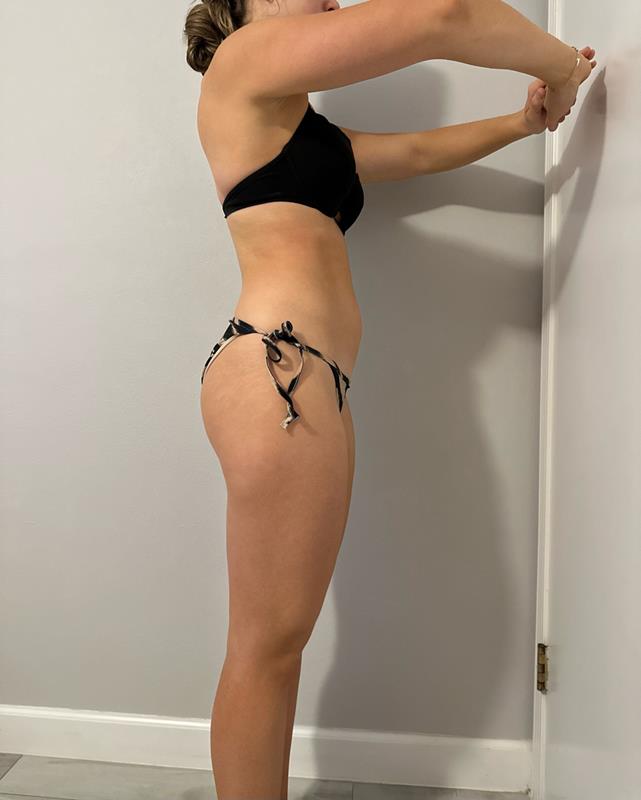 Before
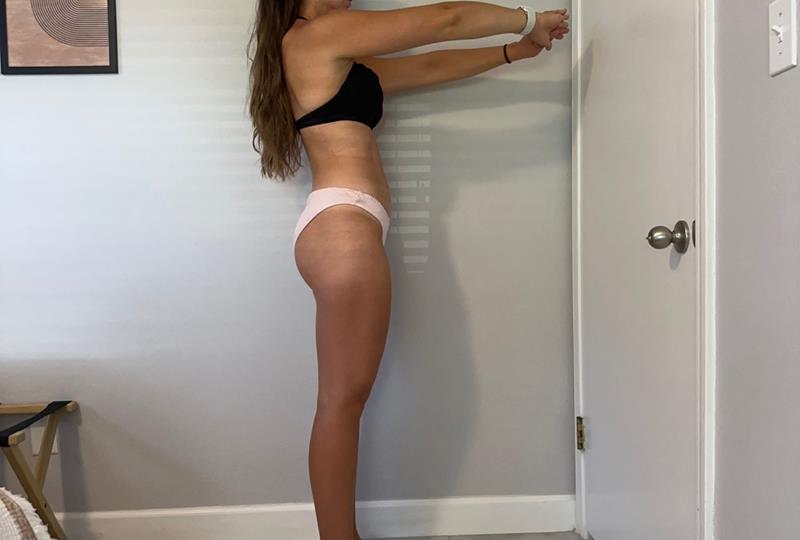 After
Client result
Lost 5 pounds while building shape
I had a progressive training program that focused on an hourglass shape, and i definitely can see the changes in my body composition!
Read her story →Questions answered in this video
Up next
All long-form videos →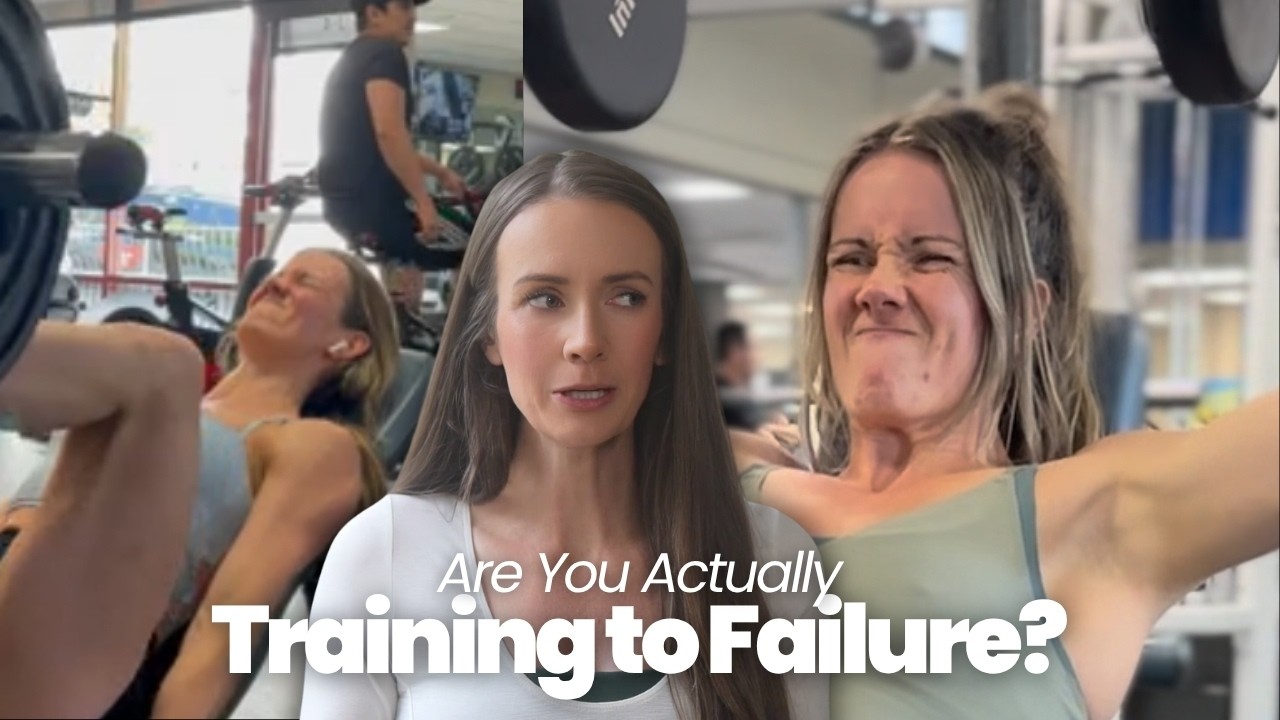
JOIN THE BYB FITNESS APP
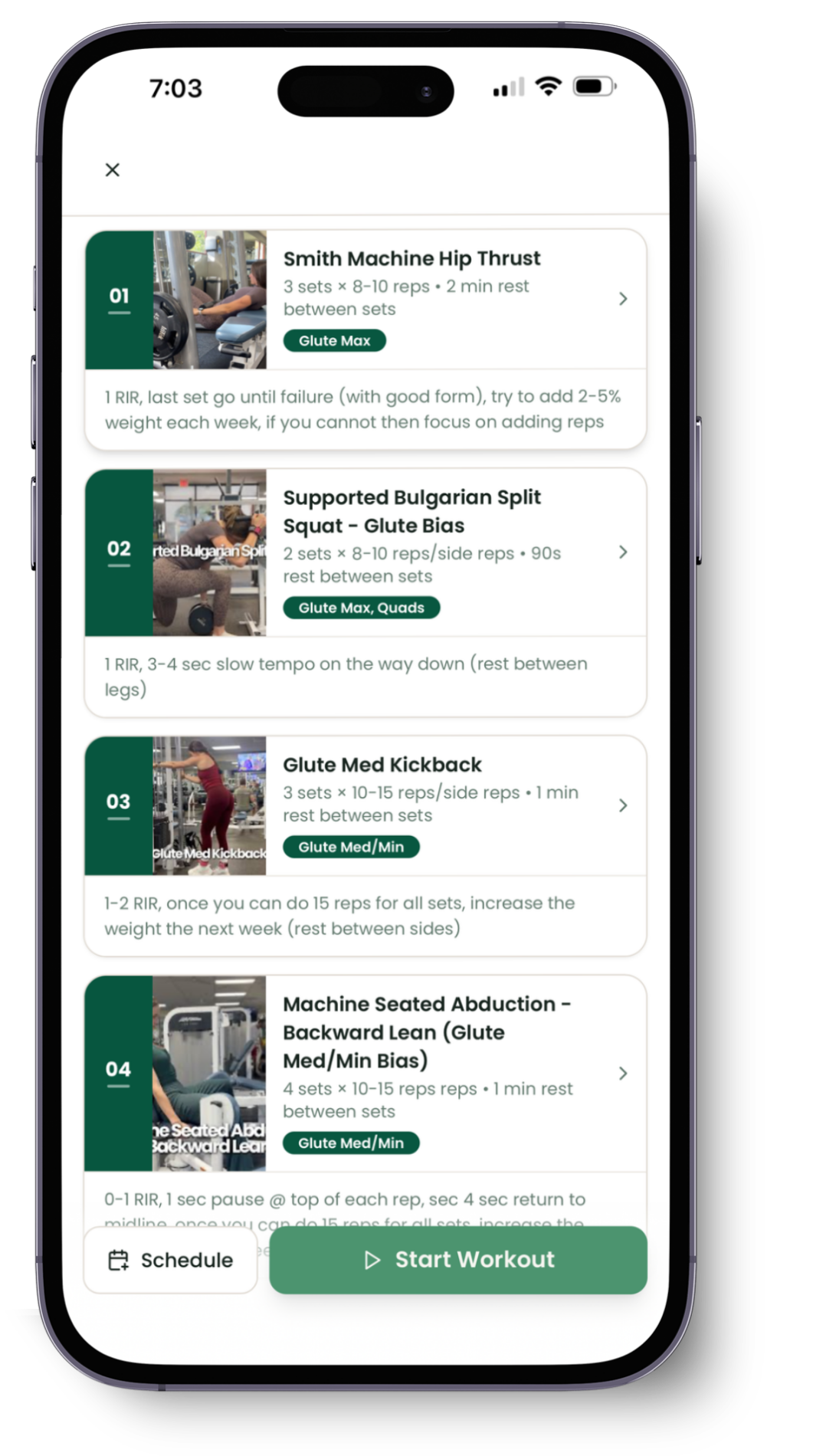
The BYB App
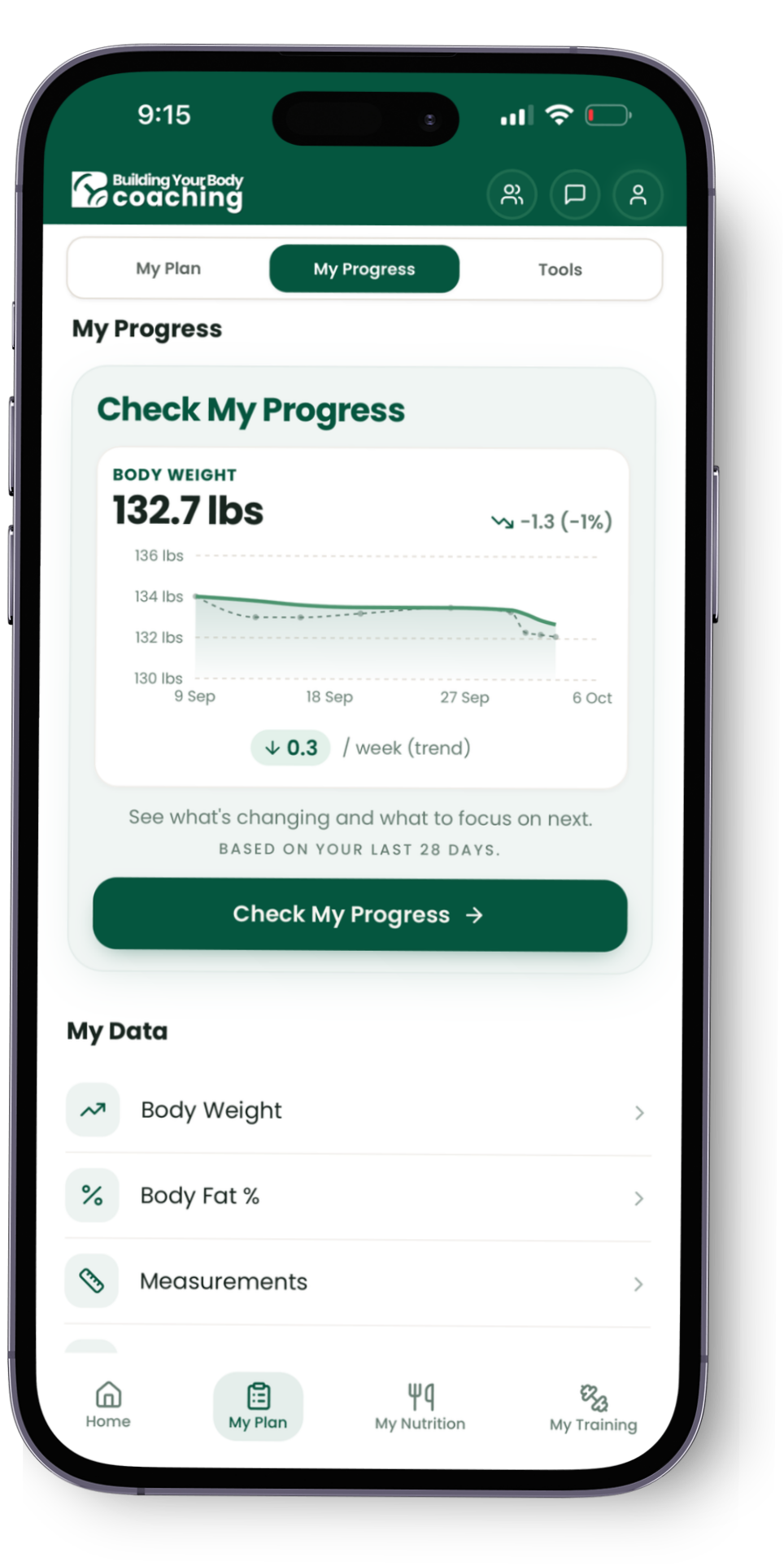
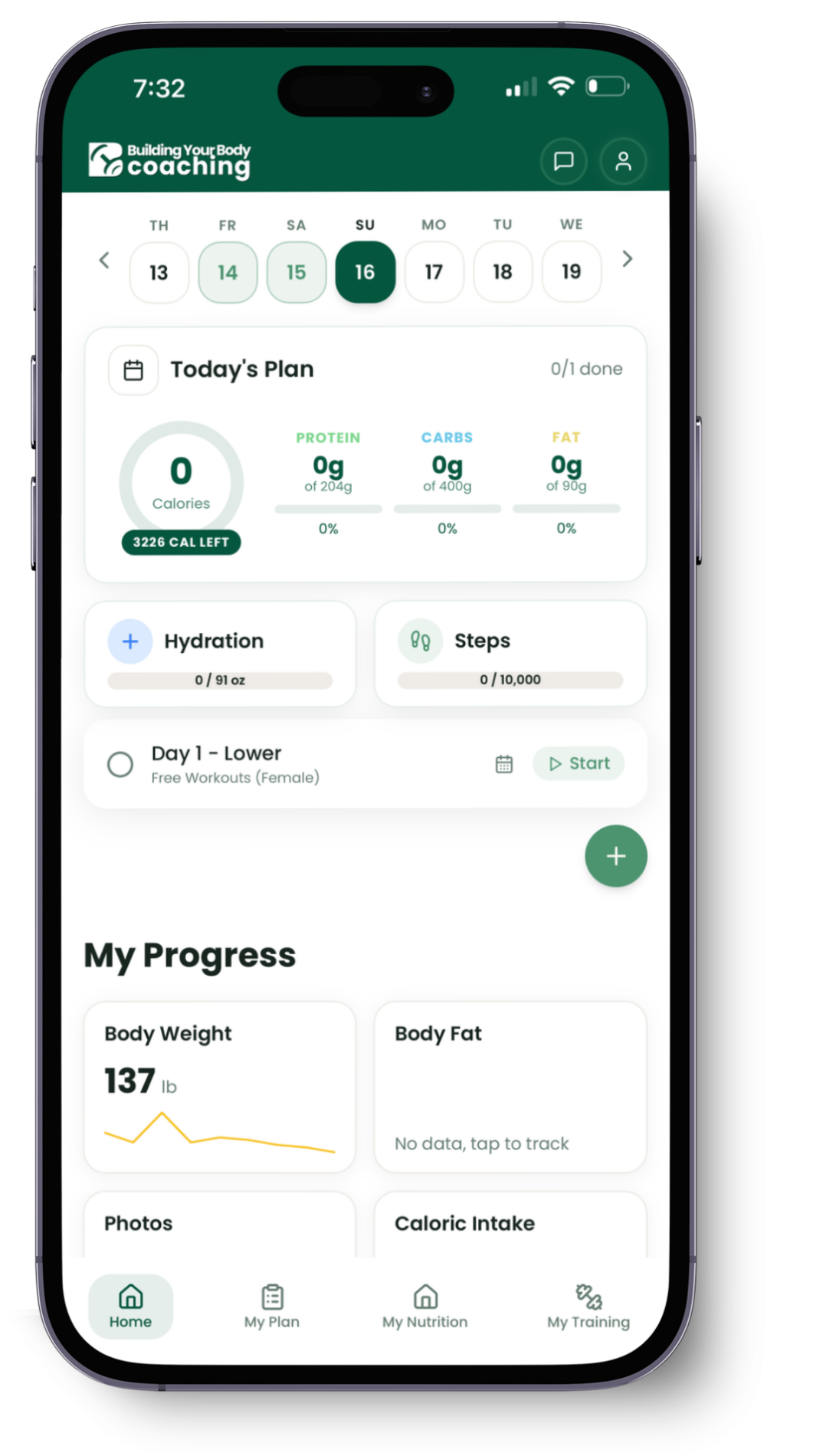
Your training, nutrition, progress and community.
Built to help you stay consistent and see real results.
- Follow your training plan
- Track nutrition with ease
- See your progress
- Connect with a supportive community
MEET THE COACH BEHIND TEAM BYB
Meet Coach Kales

Coaching that helps you stop guessing and start making real progress.
I created Team BYB for anyone to have a clear place to track their workouts, nutrition, and progress, and clearly know what to focus on to feel their best.
A clear workout plan
Know what to do in the gym and how to make it fit your schedule and goals.
Nutrition guidance that makes sense
Get clear goals for nutrition and meals to fuel your strongest body!
Simple meal planning
Plan meals you actually like, keep the ingredients simple, and make them work for your nutrition goals.
Progress you can see and feel
Instead of just logging numbers, BYB shows you the trends behind them and what to focus on next.
Support and accountability
Get guidance, check-ins, and help staying consistent from our coaches when motivation dips or life gets busy.