
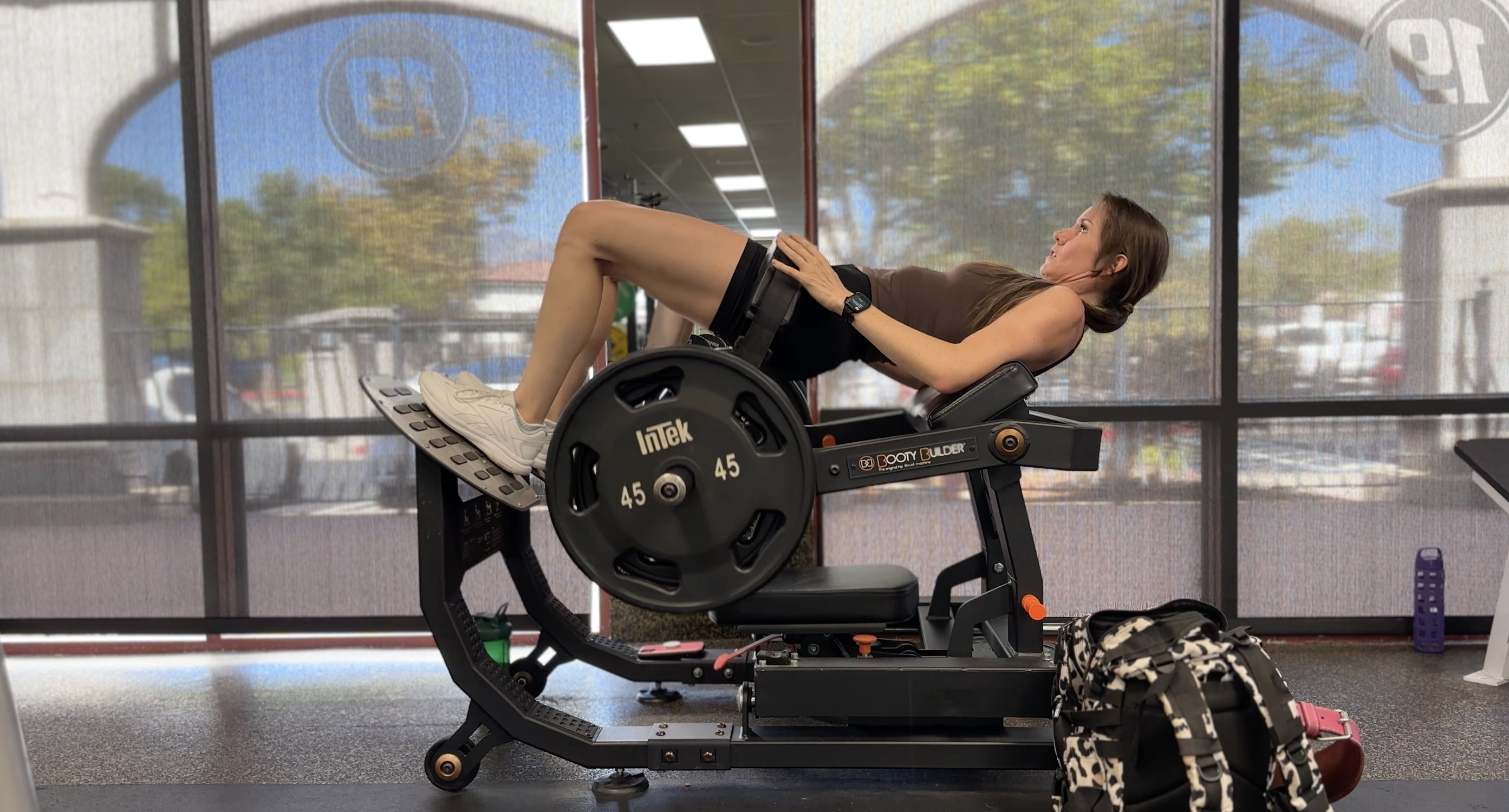
Why Progressive Overload Matters for Muscle Growth
Learn what progressive overload is, why it matters, and how to apply it to your strength training routine to build muscle, get stronger, and see better results.
Why Progressive Overload Matters for Muscle Growth
If you've been consistently strength training but aren't seeing the muscle growth or definition you're working toward, one of the first things to look at is whether you're actually progressing in your workouts.
Building muscle isn't just about showing up to the gym and completing your exercises. It's about giving your muscles a reason to grow.
That's where progressive overload comes in.
Progressive overload is the process of gradually increasing the demands placed on your muscles over time.
When you strength train, your muscles adapt to the challenges you place on them. As you become stronger and more experienced, weights that used to feel challenging, eventually start to feel easier.
And while that's a good thing, it also means you need to adjust your training to continue challenging your muscles enough to stimulate growth.
Progressive overload means gradually increasing the demands placed on your muscles over time.
As you strength train, your body adapts to the challenges you're giving it.
To continue making progress, your training needs to continue to provide an appropriate challenge as you become stronger.
That doesn't mean you need to increase your weights every single workout.
Progressive overload doesn't mean you need to lift heavier weights every single workout. Progressive overload can happen in several ways, including:
Increasing the amount of weight you're lifting.
Completing more repetitions with the same weight.
Improving your technique and range of motion.
Performing your repetitions with better control.
Increasing training volume when appropriate.
The goal isn't to change something every workout just for the sake of making it harder. It's to gradually improve your performance while maintaining the quality of your training.
What Progressive Overload Looks Like in Practice
For example, let's say you're performing dumbbell Romanian deadlifts with 25-pound dumbbells.
Your program calls for 3 sets of 8–12 reps.
During your first workout, you complete 10 reps with good form and approximately two reps in reserve.
Over the next few weeks, you gradually work toward completing 12 reps with the same weight.
Once you can comfortably complete the upper end of your rep range, you can increase the weight to 30 pounds and begin progressing again.
his approach is called double progression, and it's one of the simplest ways to apply progressive overload to your strength training.
Here's what that might look like:
Week | Weight (each dumbbell) | Sets × Reps |
|---|---|---|
1 | 25 lbs | 3 × 10 |
2 | 25 lbs | 3 × 11 |
3 | 25 lbs | 3 × 12 |
4 | 30 lbs | 3 × 8 |
5 | 30 lbs | 3 × 9 |
This is an example, not a timeline you need to follow. Progress isn't always linear, and you may need several weeks at the same weight or rep range.
Why Tracking Your Workouts Matters
One of the easiest ways to make sure you're applying progressive overload is to track your workouts.
When you know how much weight you lifted, how many reps you completed, and how challenging those sets felt, you have a clear reference point for your next training session.
Without tracking, it's easy to fall into the habit of grabbing the same dumbbells, completing the same number of reps, and never really knowing whether you're improving.
That doesn't mean every workout needs to be better than the last. Your performance can (and will) fluctuate depending on your recovery, sleep, stress, and many other factors.
What matters is that you're seeing an upward trend in your training performance over time.
And remember, progressive overload works alongside other important factors for muscle growth, including training close enough to muscular failure, eating enough protein, and allowing your muscles adequate time to recover.
Ultimately, building muscle isn't about making every workout harder than the one before it. It's training with intention, challenging your muscles appropriately, and gradually improving what you're capable of doing.
Because if your goal is to build a stronger, more defined physique, you need a training plan that helps you progress, not just one that makes you tired.
Ready to Build a Stronger, More Defined Physique?
If you've been consistently working out but aren't seeing the muscle definition you want, you don't necessarily need to spend more time in the gym.
You may just need a more structured approach to strength training and nutrition.
Take our Plan quiz to find with BYB program fits your training and nutrition needs best!
Frequently asked questions
Ready for a plan that fits your life?
Choose self-guided training, join group coaching, or work with Coach Kales 1:1.
Start TodayRelated articles
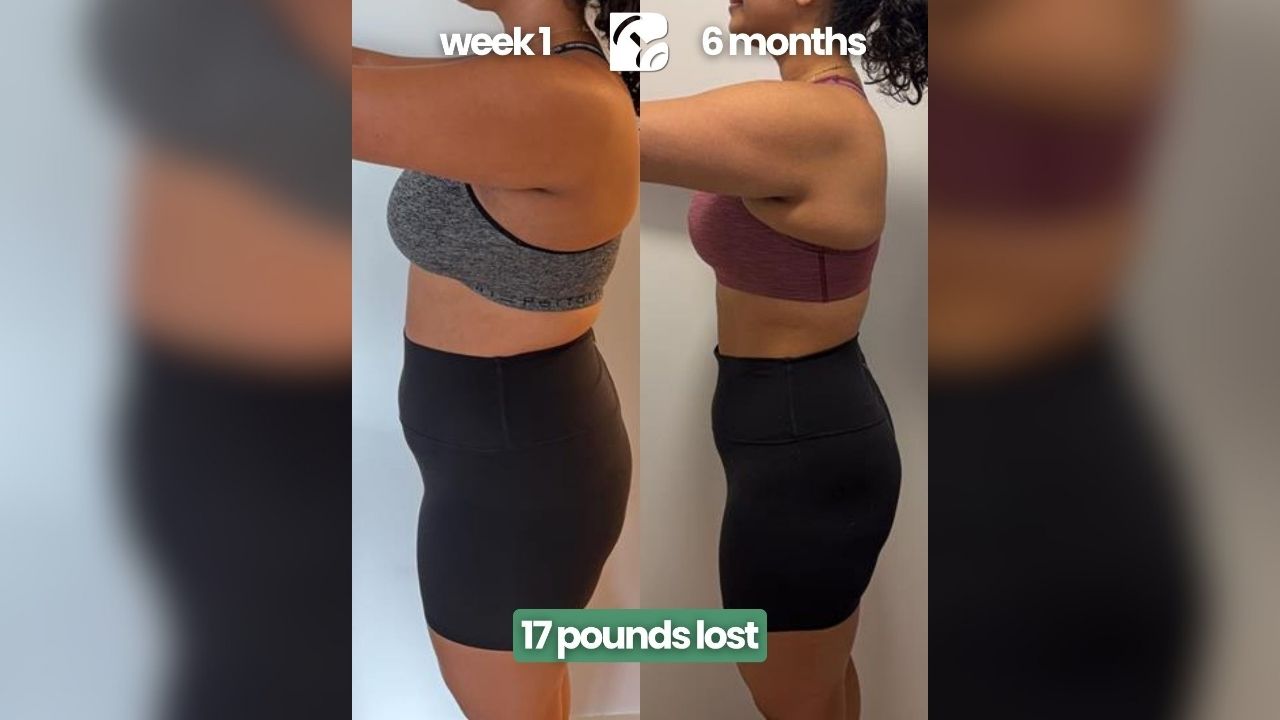
How a Director of Strategy Lost 17 Pounds While Traveling for Work and Eating Out on Weekends
She traveled for work, ate out on weekends and trained just three days a week. Here’s how a busy Director of Strategy finally lost the weight, and kept her social life.